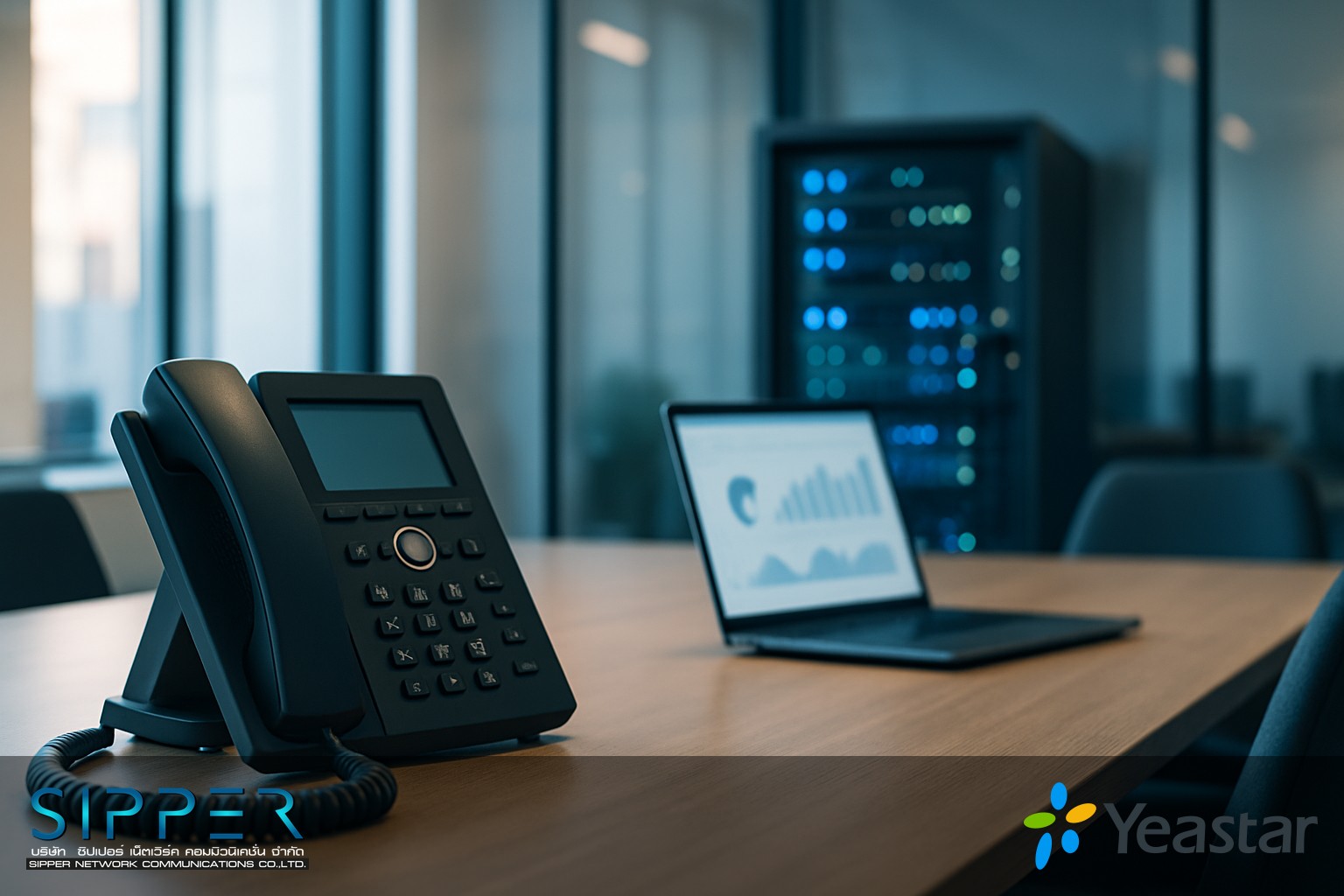
Hybrid work changes the phone system design problem
When teams split their time between office, branch, and remote locations, a business phone system stops being only a desk-phone decision. Availability, call routing, user mobility, and administrative control all become more important because the communication environment is no longer tied to one floor or one building.
That changes how buyers should evaluate the project. Instead of asking only which phone model or PBX package is popular, they should start by asking how communication actually moves across the organization.
Start with user roles, not hardware bundles
In a hybrid environment, different users need different communication behavior. Front desk users, managers, sales teams, and remote staff often need different endpoints, routing logic, and visibility rules. If the project starts from a fixed hardware bundle, the system may look standardized on paper while still creating friction in daily work.
It is usually more useful to define user groups first, then decide which mix of desk phones, soft clients, mobile access, and shared devices supports those groups best.
Routing and visibility matter more than before
Hybrid work exposes weaknesses in call handling very quickly. If routing logic is unclear, calls can bounce between users or disappear into the wrong queue. If supervisors cannot see where calls are answered and transferred, the organization loses both accountability and customer confidence.
This is why buyers should review branch logic, overflow rules, business-hours behavior, and reporting visibility together. These are not separate feature questions. They shape whether the system feels reliable for staff and for customers.
Device choice should follow work style
A hybrid-ready phone system rarely means every user gets the same device. Some teams still need dedicated desk phones. Others work better with softphones, headsets, or mobile-first access. Conference spaces and reception points introduce another layer of device planning.
The goal is not variety for its own sake. The goal is to match endpoint choice to how people actually communicate during the week.
What SIPPER helps buyers clarify
At SIPPER, we help buyers translate broad hybrid work goals into a more practical communication model. That includes questions such as who needs fixed endpoints, who needs mobility, how branch and remote routing should behave, and how much reporting and administrative control the operations team needs.
Once these questions are clear, product selection becomes more disciplined and less reactive.
Bottom line
Hybrid work should push buyers to design around communication behavior, not around a default hardware bundle. The right system is the one that supports users consistently across office, branch, and remote contexts with enough control to keep service reliable.
If you are planning a hybrid-ready business phone system, SIPPER can help you narrow the right path before you lock in products.